Barcamp Open Science
Connect, Unlock, Together!

Save the date!
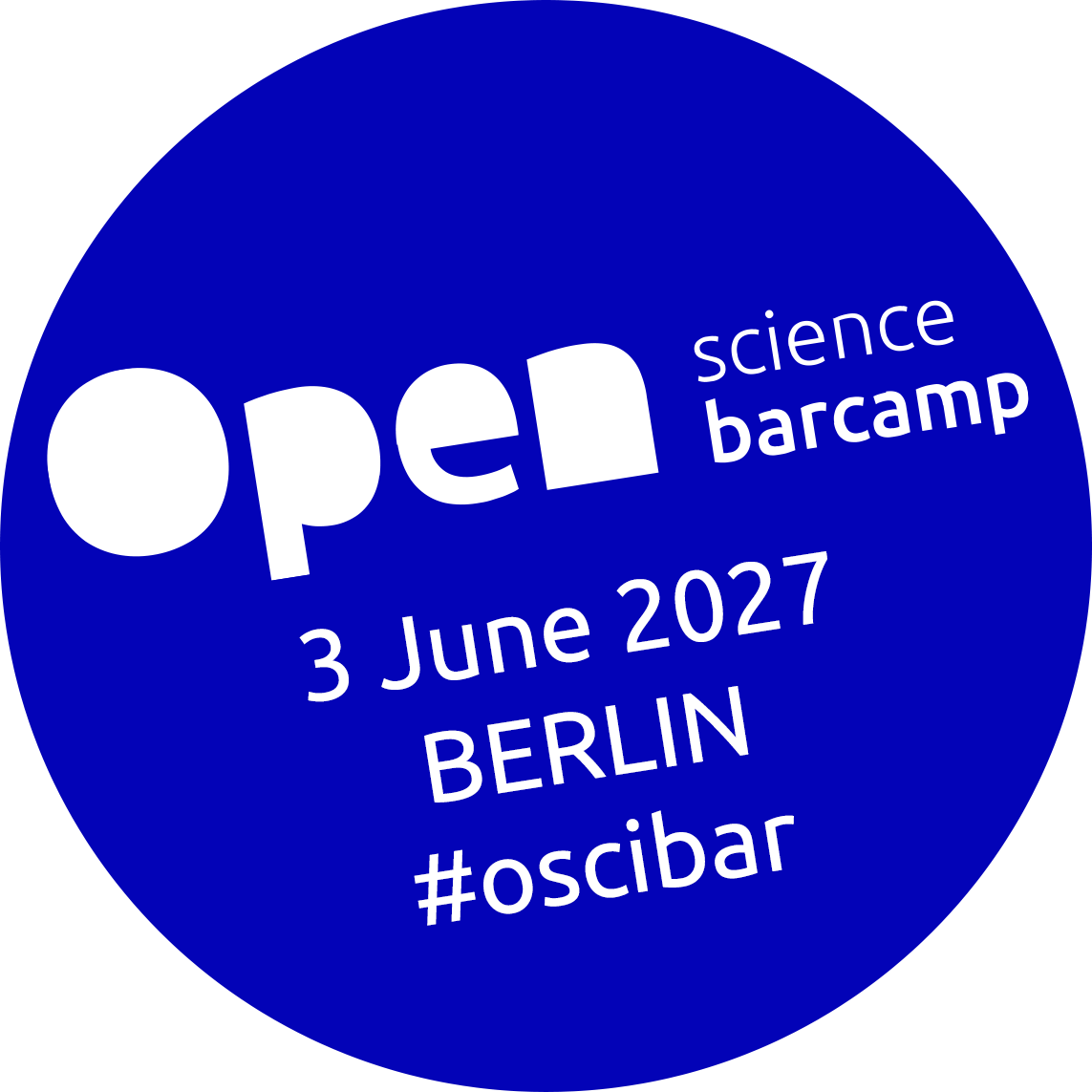
Barcamp Open Science 2027
When: 3 June 2027
Where: Wikimedia, Berlin (Germany)
Participation is free of charge
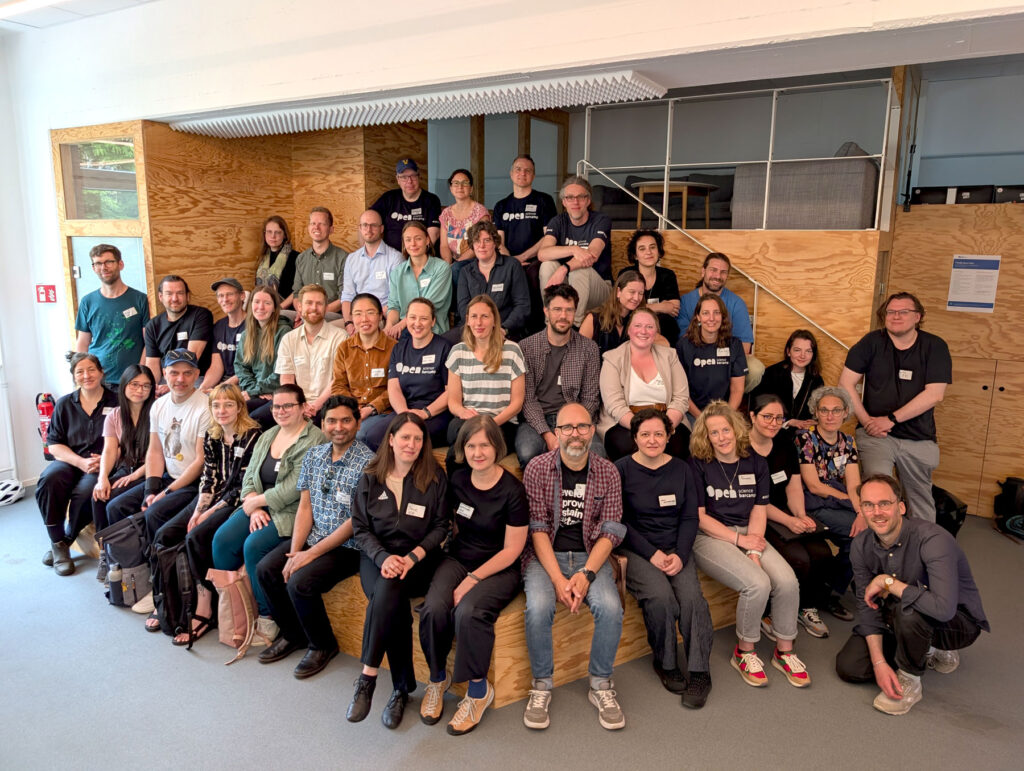
Thank you for your participation in the Barcamp Open Science 2026!
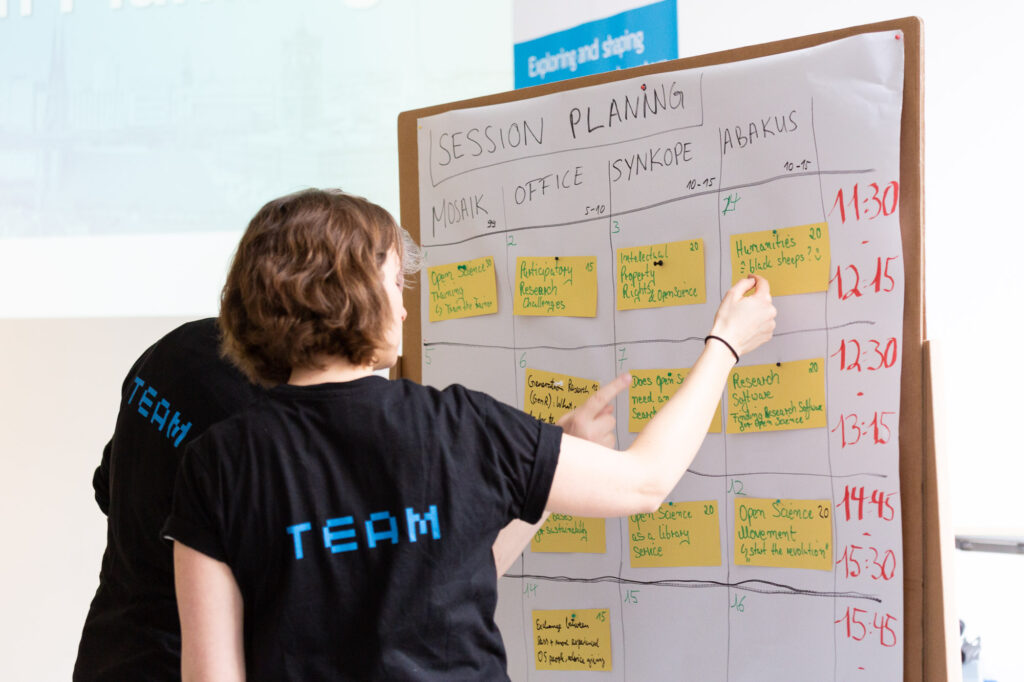
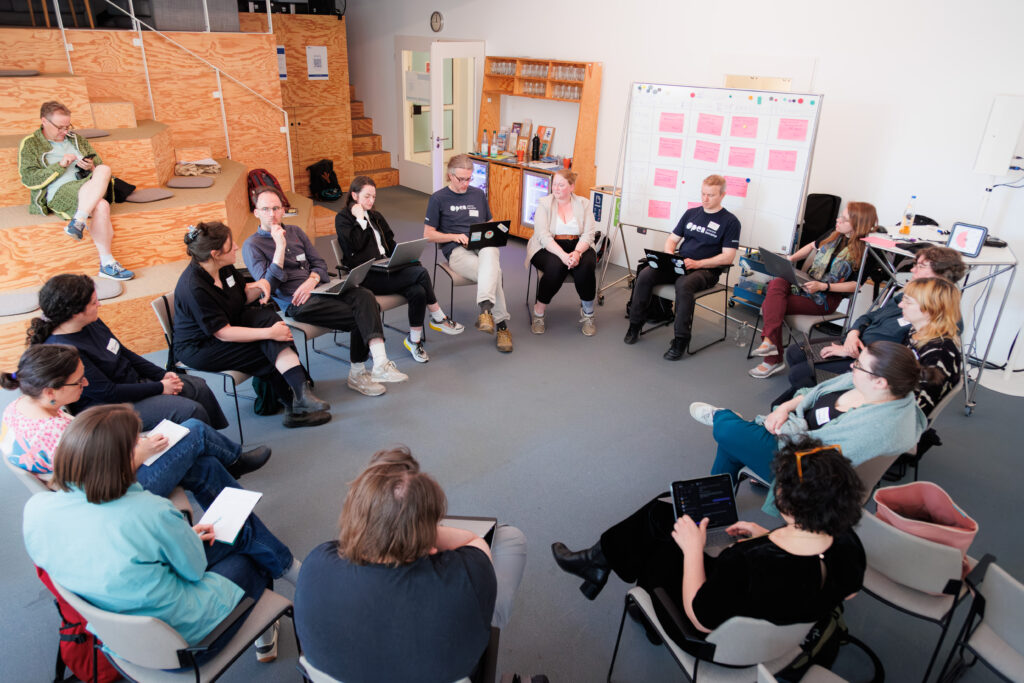
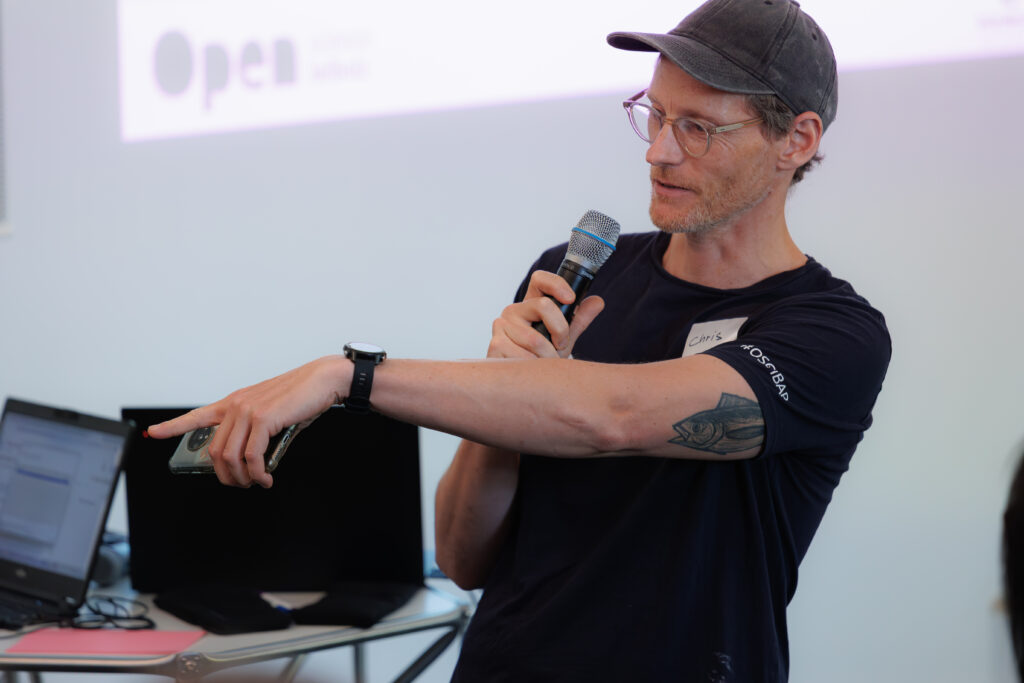
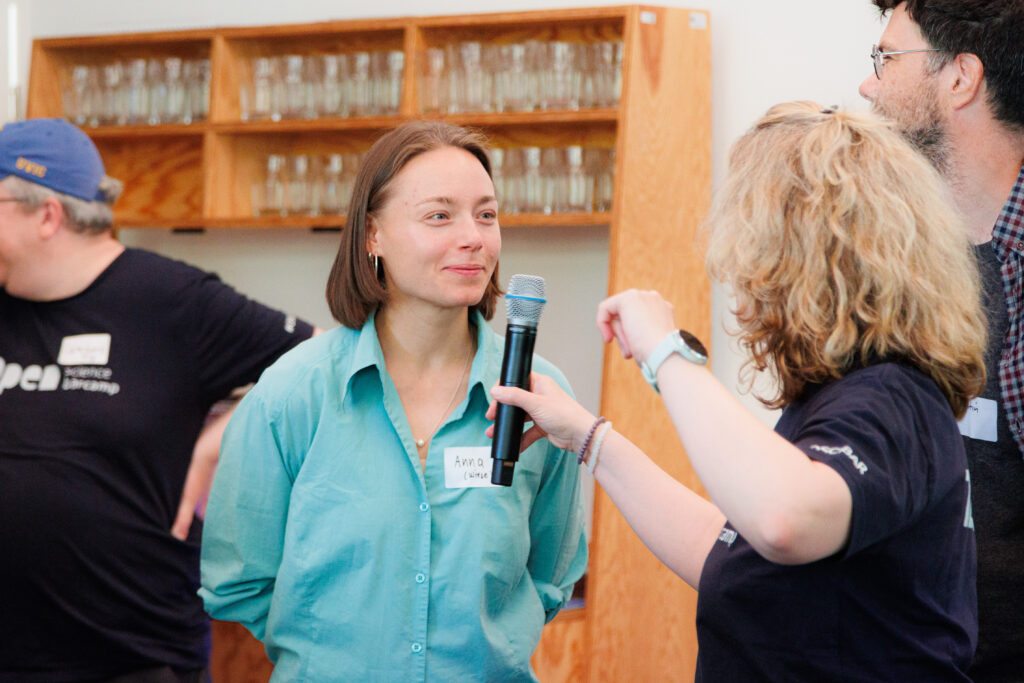
On June 10th 2026, 45 participants gathered for the 12th Barcamp at Wikimedia, Berlin. Please click the button below to read the barcamp report.
Photo: Ralf Rebmann
About the Barcamp
The Barcamp Open Science is a barcamp dedicated to the Open Science movement. It is open to everybody interested in connecting with like-minded people embracing Open Science, unlocking new perspectives and networking on Open Science, and thriving Open Science together!
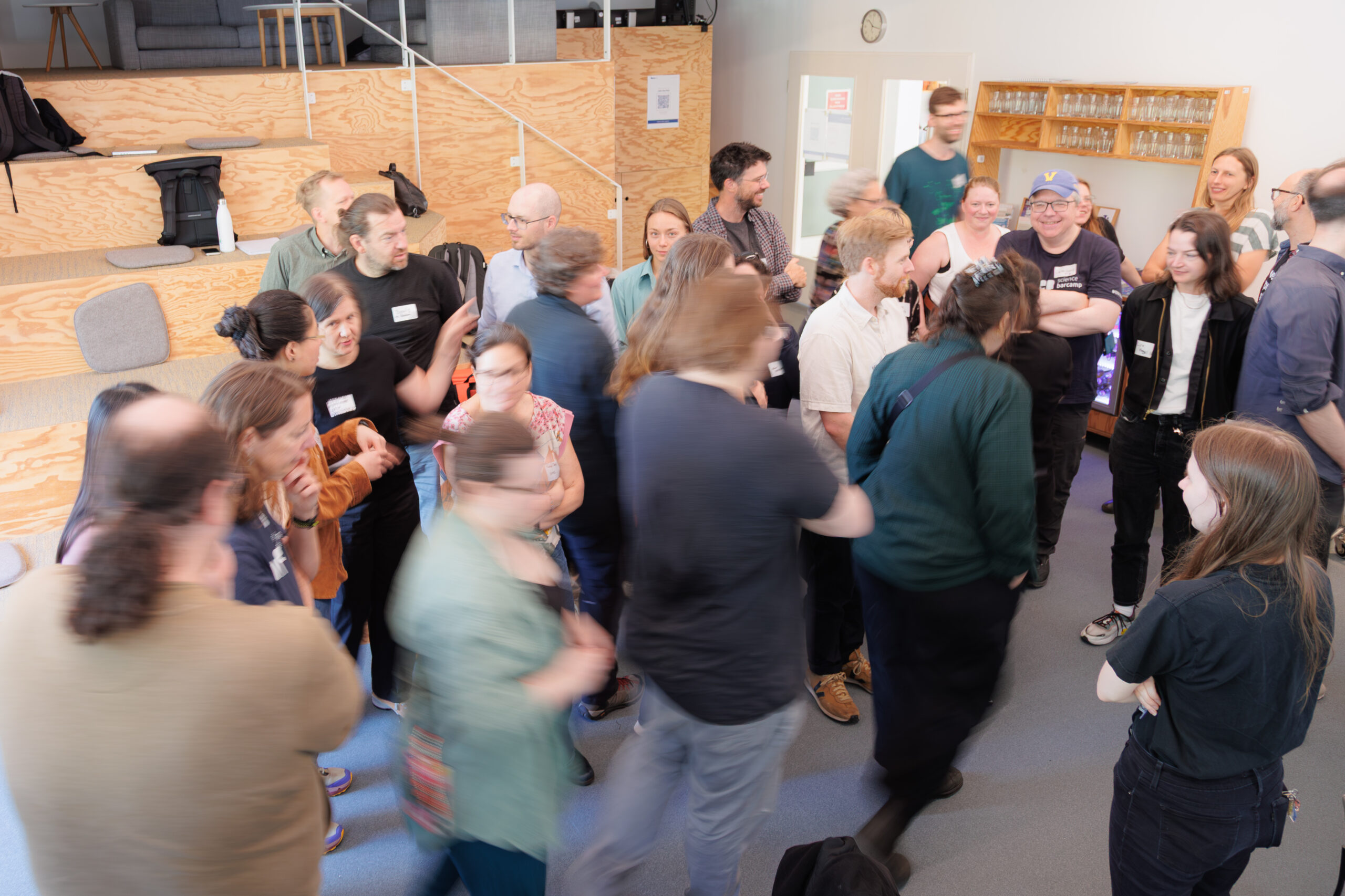
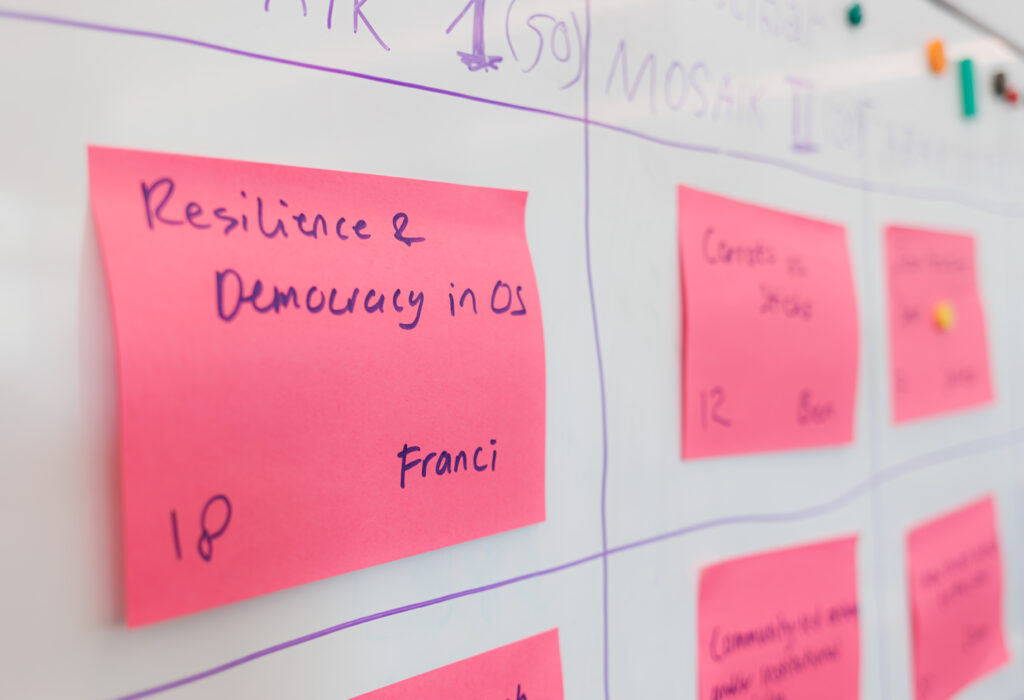
We invite researchers and practitioners from various backgrounds, experts and novices, those who investigate Open Science, and those who want to practice it. The barcamp’s open format allows lively discussions, learning about and sharing experiences on practices in Open Science, and much time networking with the community. Specific knowledge on Open Science is not needed, participants are invited to bring in their topics.
 What exactly is a barcamp? Find out more in this video.
Barcamp organisation: The Barcamp Open Science is organised by members of the Leibniz Strategy Forum Open Science, Wikimedia Germany and further volunteers. Here’s the list.

Friendly Space Policy
We are dedicated to providing a friendly, safe, and welcoming event experience for everyone, regardless of gender, sexual orientation, gender identity or expression, disability, physical appearance, age, race, ethnicity, political affiliation, national origin, or religion — and not limited to these aspects. Please contribute to the friendliness of our barcamp.
How to contribute:
- Always be respectful, honest, accommodating, and appreciative of others. Be open to learning from others.
- Respect other people’s private sphere. Never share others’ private information without their consent. Accept if other people don’t want to answer personal questions.
- Show appreciation for the ideas and perspectives of others. Embrace the diversity of perspectives and people. Include as many people as possible in group interaction by being respectful and inviting.
- Participate authentically and actively: We trust in your openness and teamwork. We believe in the power of collaboration and co-creation.
- Be optimistic and active: We believe in your ability to transform things to the better. Believe in yourself and your ideas and build on the competencies of other participants. Be open to learning from your mistakes.
- Lead by example: Treat fellow participants in a way you want to be treated. Contribute to a positive group spirit.
We do not tolerate…
Any form of harassment of event participants. This includes abusive, discriminatory, derogatory, or demeaning language and behaviour. Sexual language and imagery is not appropriate for any event venue or talks. Any participants violating these rules may be sanctioned or expelled from the event at the discretion of the event organisers. Please do not encourage other participants to violate our shared values.
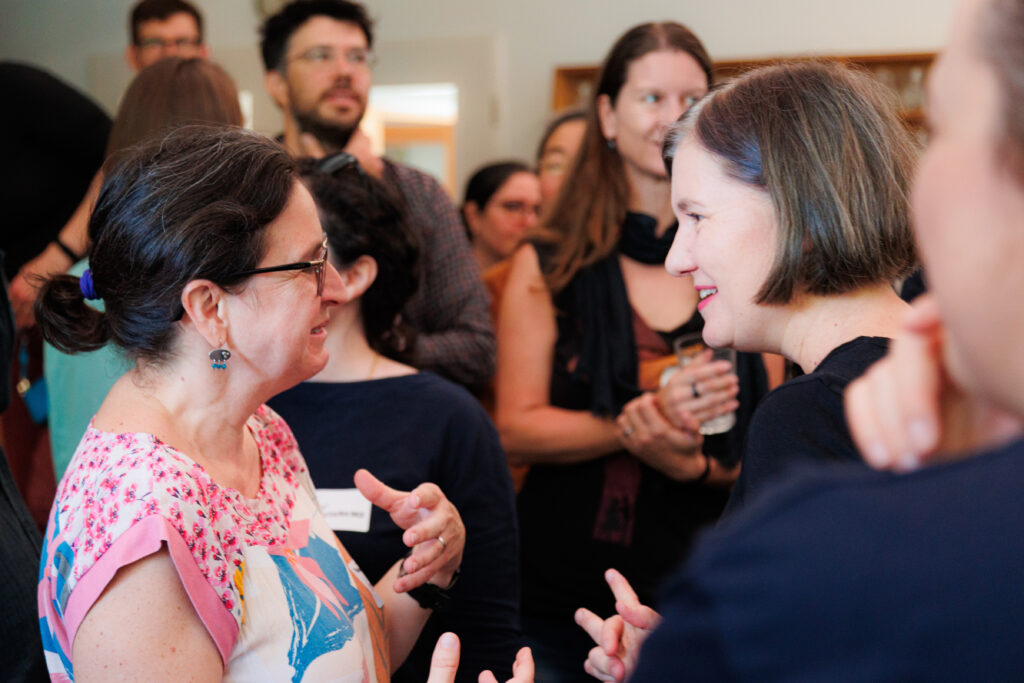
Impressions from 2026
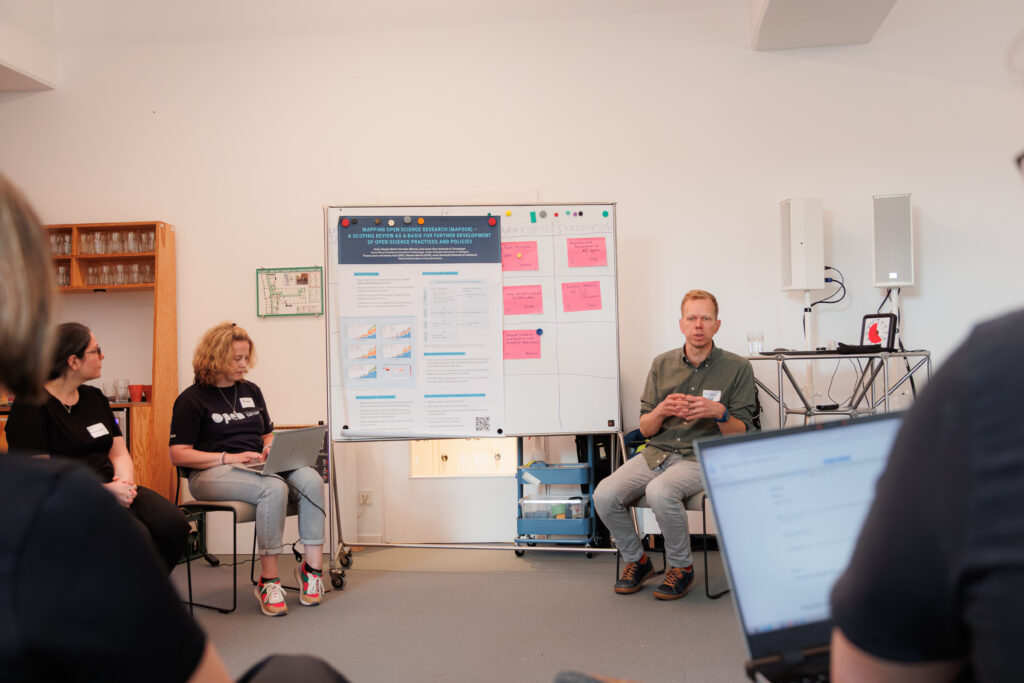
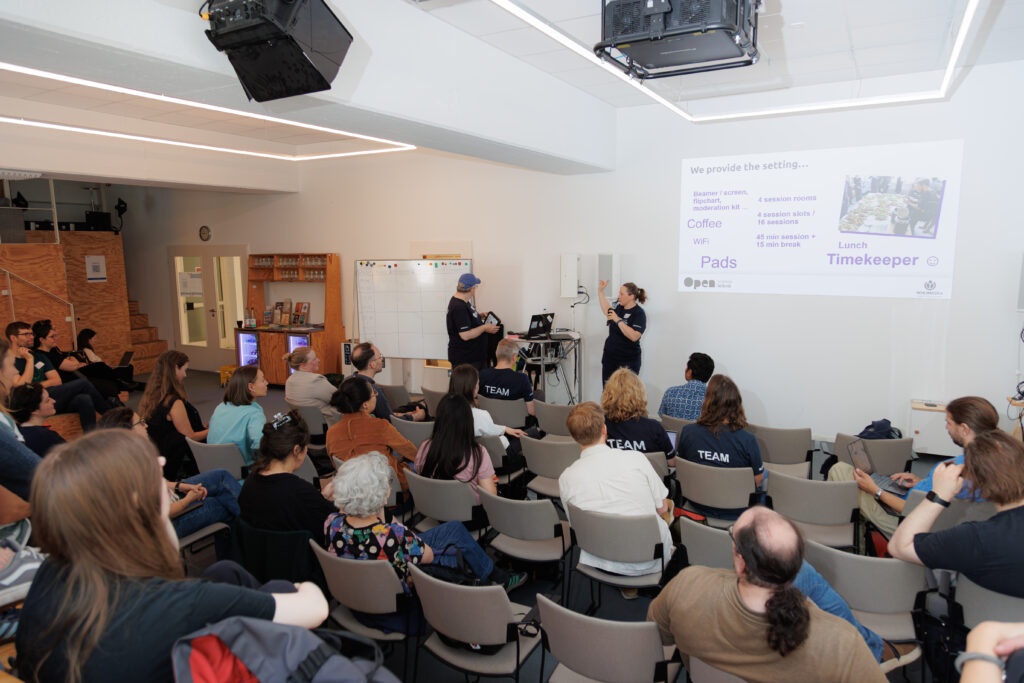
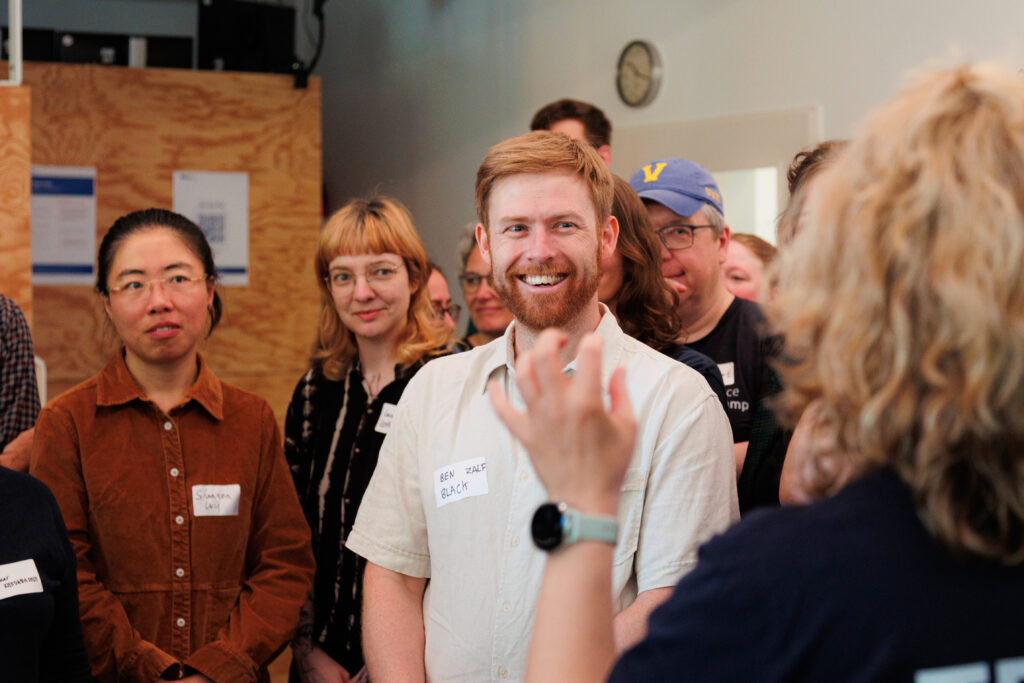
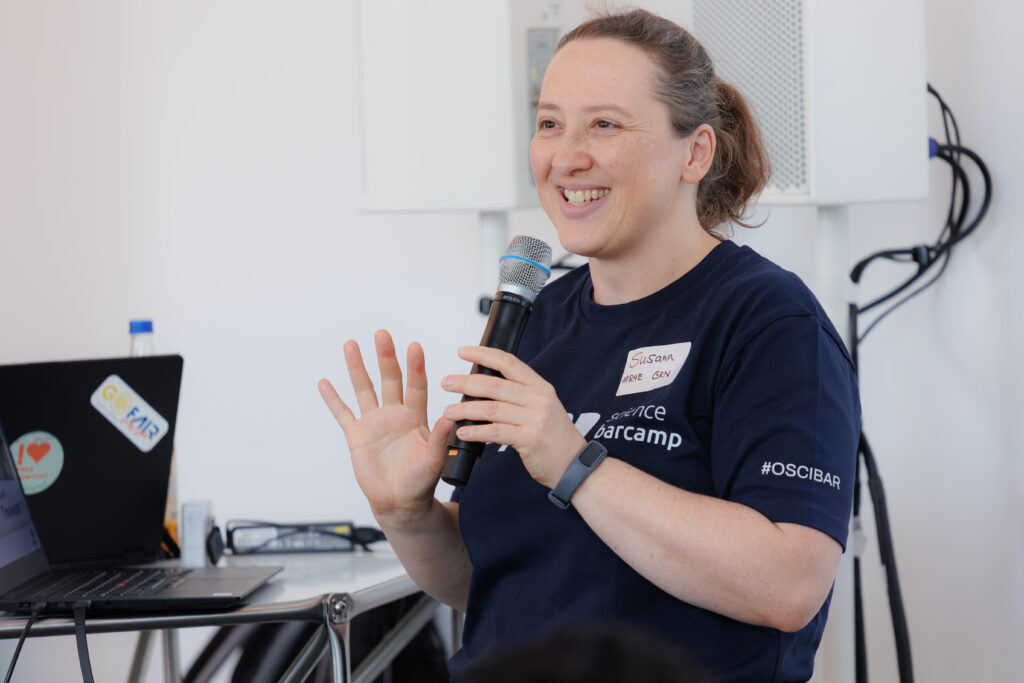
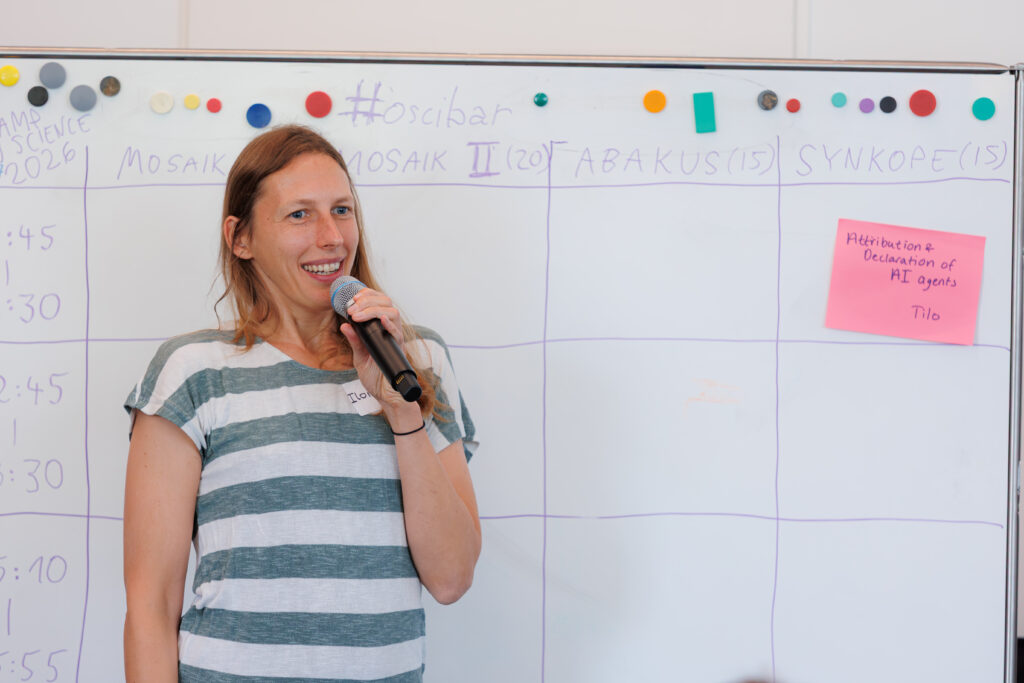
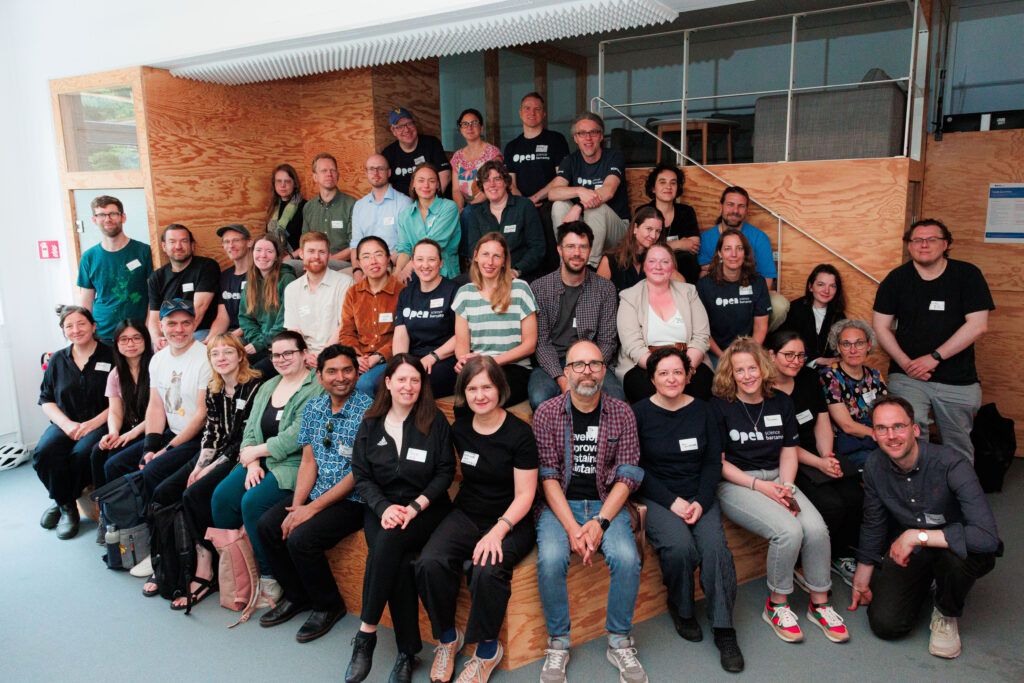
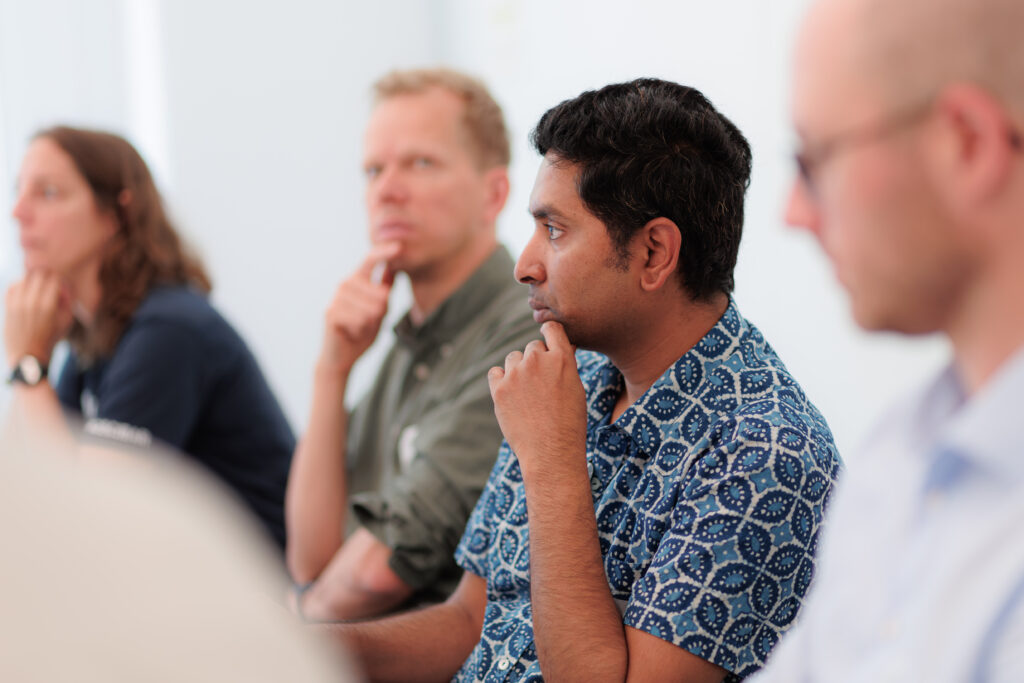
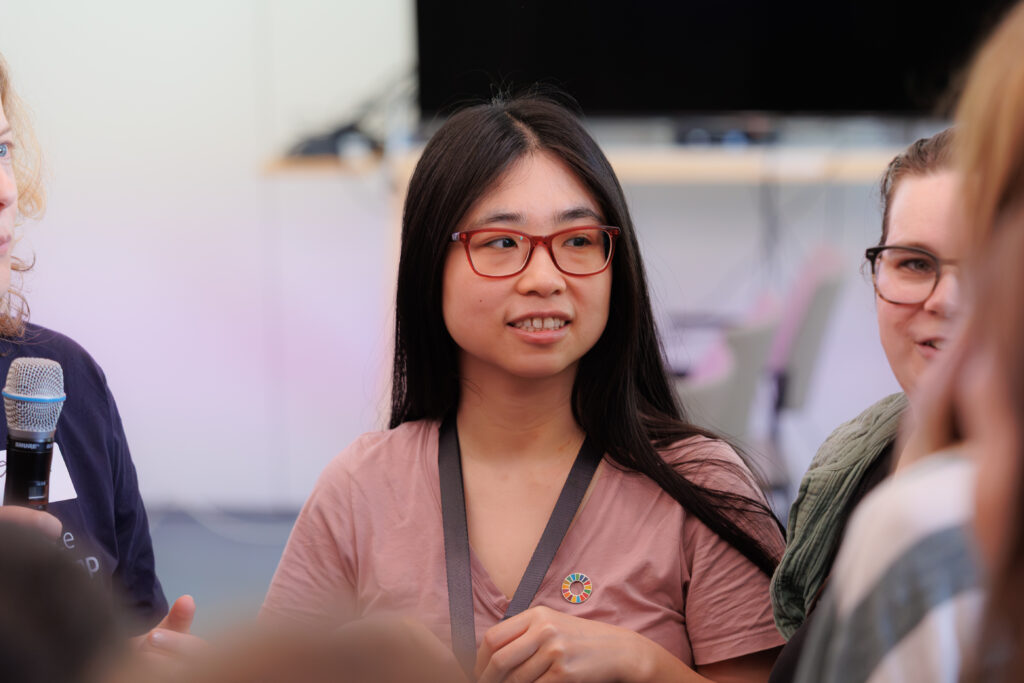
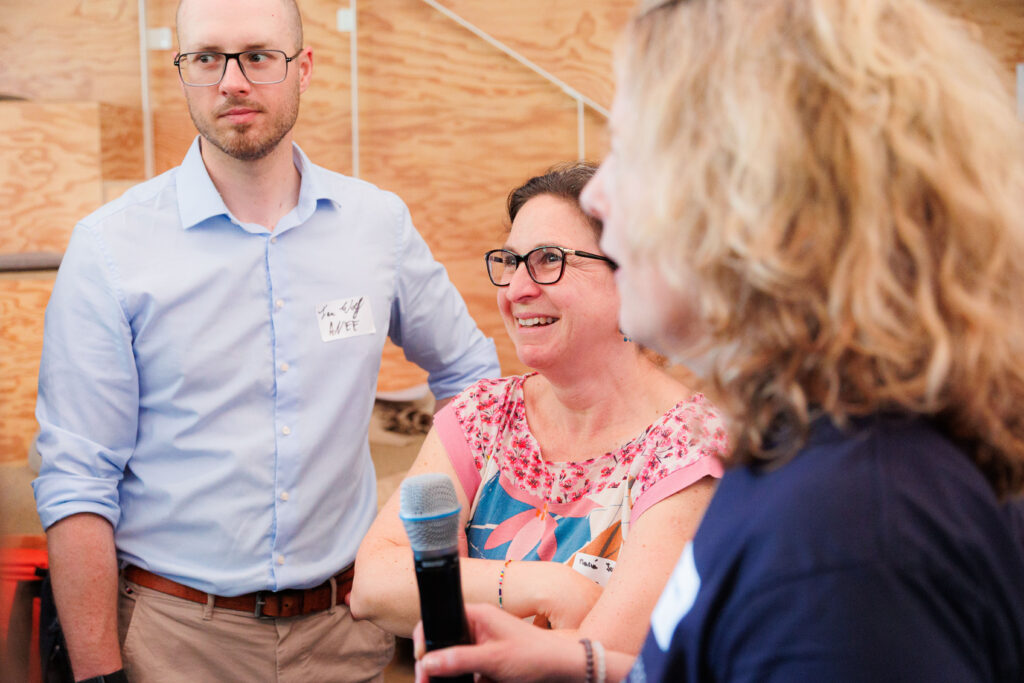
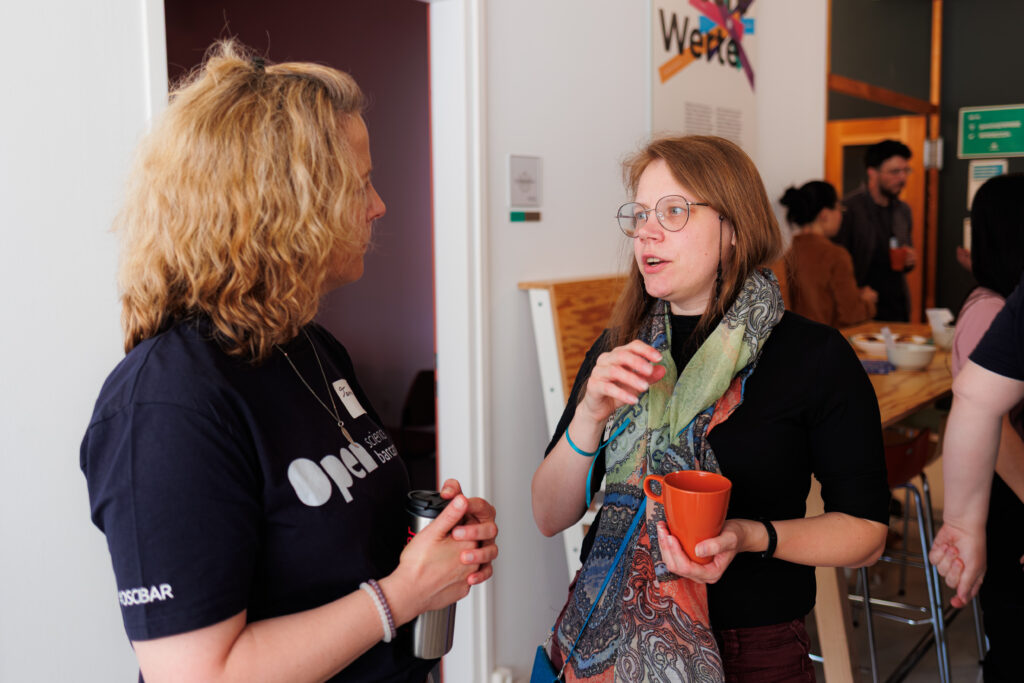
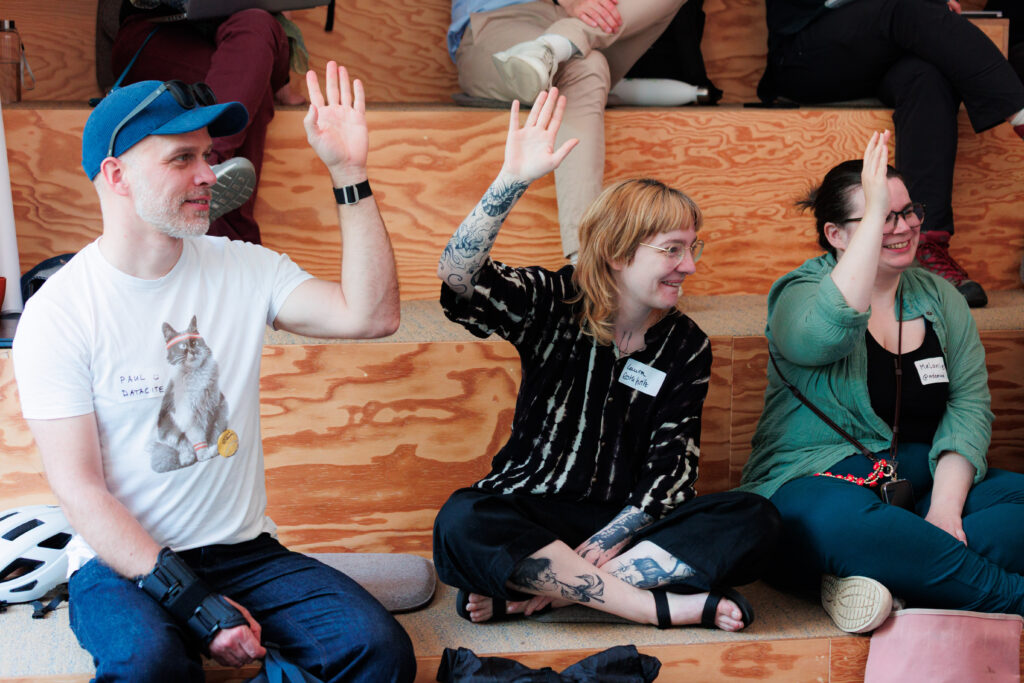
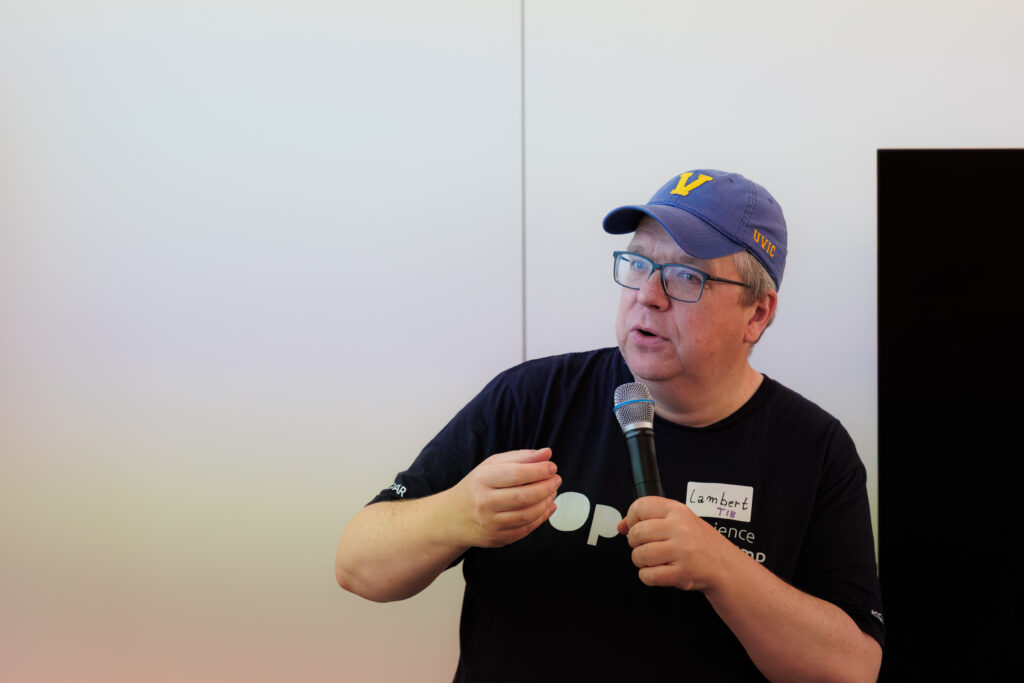
Participants’ Voices
Read what participants have to say about past Barcamps Open Science:
“It was great to meet so many enthusiastic, active (and activistic?!) people at the Barcamp!“
“Loved the barcamp and the place – Wikimedia!“
“It was great. Thank you. The hybrid version was perfect for me. I could take away a lot of input…”
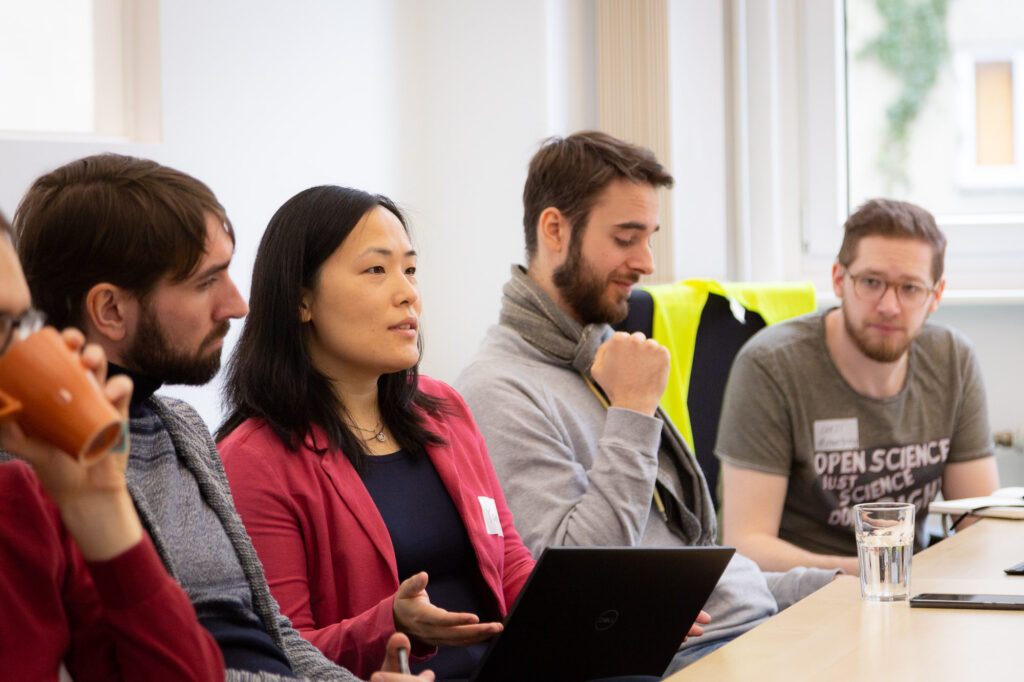
Photo: Ralf Rebmann
“I was very happy to see the barcamp for the first time as I have no idea about it.“
“I enjoyed it a lot and had good conversations.”
“Thanks for great OS discussions in an appropriate setting. Orga team was really great. Very good catering, too.“
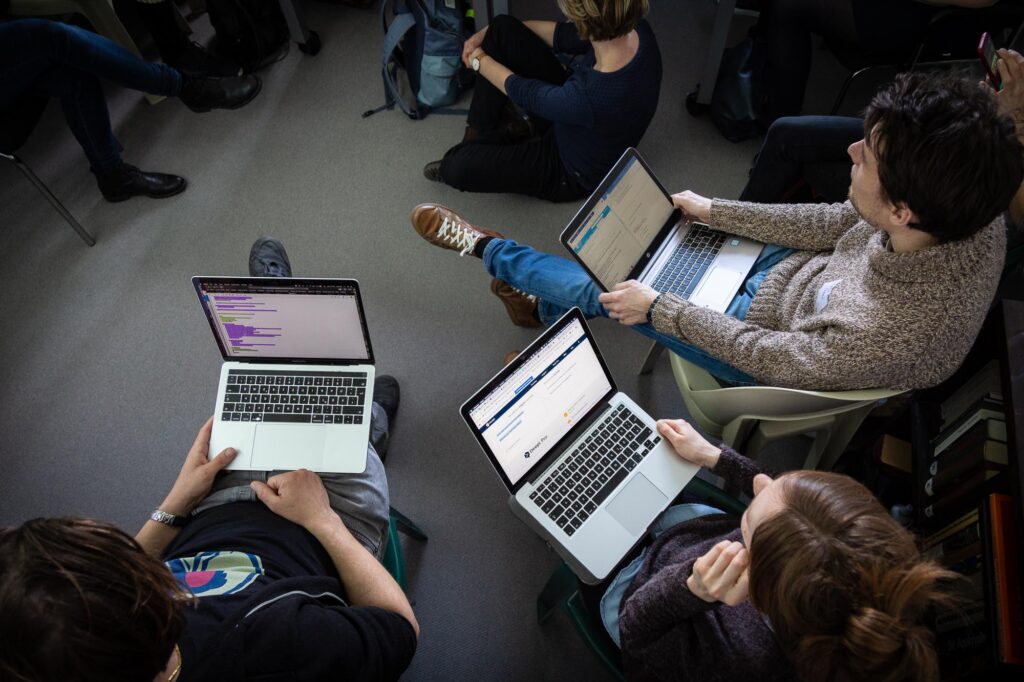
Photo: Ralf Rebmann
Barcamp Organising Team
- Susann Auer (TU Dresden)
- Maaike Duine (Open Research Office Berlin)
- Konrad Förstner (ZB MED – Information Centre for Life Sciences)
- Tamara Heck (DIPF – Leibniz Institute for Research and Information in Education)
- Lambert Heller (TIB – Leibniz Information Centre for Science and Technology)
- Guido Scherp (ZBW – Leibniz Information Centre for Economics)
- Christopher Schwarzkopf (Wikimedia Germany)